Commercial Kitchen Hood Cleaning Frequency for Different Types of Restaurants
As a commercial kitchen manager, it is crucial for you to do your part to reduce the risk of kitchen fires in your facility. While there is no way to completely eliminate commercial kitchen fire risk, facility managers can help reduce the risk by ensuring their commercial kitchen’s exhaust system is inspected at the frequency recommended by the National Fire Protection Association (NFPA).
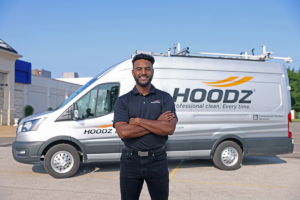
In this blog, we will be taking a closer look at why regular exhaust hood cleaning should be a top priority and how often exhaust hoods should be cleaned based on factors such as cooking type and volume. By taking these recommendations into consideration, commercial kitchen managers can help continue business as normal with the added peace of mind that their kitchen exhaust system is receiving proper care and maintenance.
The Importance of Routine Restaurant Vent Hood Cleaning Services
As a central component of every commercial kitchen’s operations, the exhaust system has the important job of keeping your kitchen safer, in compliance with local fire codes, and more comfortable by pulling out grease-laden vapors. The buildup of these vapors in your ventilation system can create a hotter, stuffier environment and are a primary fuel source for kitchen fires. When not maintained properly, these contaminants can quickly accumulate in the ductwork and become a serious fire hazard. To make matters worse, neglected exhaust systems are more difficult and time-consuming to clean, costing you more money in the long run.
While the recommended frequency of restaurant vent hood cleaning services depends on various factors, the protocol for these cleanings is practically the same across facility types. A complete kitchen hood cleaning covers the entire system from the hood to the fan, including but not limited to:
- Hoods (including the underside)
- Grease removal devices
- Ductwork and fans
- Hood filters
- The plenum (the open space that leads into the exhaust ductwork)
How Often Do Commercial Hoods Need to Be Cleaned?
Whether you manage a restaurant kitchen or a commercial facility with a kitchen such as a school or retirement home, your kitchen’s exhaust hood needs to be inspected and cleaned on a routine basis. Since every commercial kitchen has different cooking operations, recommended cleaning and inspection frequency is determined according to three main variables: the type of food being cooked, the equipment being used, and the volume of cooking.
Here’s a quick look at what the NFPA recommends based on cooking type and volume:
| Inspection Frequency | Cooking Type/Volume with Examples* |
| Monthly | Systems serving solid fuel cooking operations, such as wood or charcoal (may include barbeque and wood-fired pizza restaurants using solid fuel) |
| Quarterly | Systems serving high-volume operations, such as charbroiling and wok cooking (may include fast food establishments) |
| Semi-Annually | Systems serving moderate-volume cooking operations (may include K-12 schools, bowling alleys) |
| Annually | Systems serving low-volume cooking operations (may include churches, retirement homes, some golf courses) |
*Examples are illustrative. Inspection frequency depends on the cooking operation and volume, not the type of establishment alone.
How HOODZ Helps Ensure Compliance with the NFPA 96 Standard
While there will always be some grease fire risk in commercial kitchens, the NFPA strives to minimize this risk by delivering expert knowledge through over 300 codes and standards. One of their core standards is the NFPA 96 Standard for Ventilation Control and Fire Protection of Commercial Cooking Operations, which specifies how often exhaust hoods are required to be inspected for the buildup of grease, smoke, or other hazardous materials.
As the leading authority in kitchen exhaust cleaning and maintenance, HOODZ works hard to ensure your business operations are maintained to meet NFPA and ANSI standards and are in full compliance with local regulations. When you count on your local HOODZ, you can expect professional kitchen exhaust cleaning and maintenance services and proactive scheduling tailored to your facility’s specific needs.
Stay Up to Code with Our Commercial Kitchen Hood Cleaning Services
Since managing a commercial kitchen comes with endless responsibilities, it can be easy to overlook key maintenance items such as kitchen hood inspections and cleanings. At HOODZ, we offer an extensive array of kitchen exhaust cleaning and maintenance services and proactive scheduling tailored to your facility’s specific needs. By partnering with a reliable industry partner like HOODZ, you can help maintain business operations with the added peace of mind that you’re doing your part to help mitigate grease fire risk in your commercial kitchen.
To learn more about commercial kitchen exhaust system maintenance or to schedule service, connect with your local HOODZ team.
Frequently Asked Questions
How often should commercial kitchen hood cleaning be scheduled?
The recommended frequency for restaurant vent hood cleaning depends on the type of cooking equipment used and the volume of food preparation. Facilities that use solid fuel cooking methods (e.g., wood-fired pizza ovens, charcoal grills, or barbecue pits) require more frequent attention because they generate higher levels of grease and residue. According to NFPA guidelines, these operations should be inspected every month. In contrast, kitchens with lighter cooking demands, often including those in churches, day camps, and senior centers, typically only require annual inspections due to the lower accumulation of grease and contaminants.
What are the NFPA 96 Standard requirements for exhaust hood inspections?
This standard specifies how often exhaust hoods are required to be inspected for the buildup of grease, smoke, or other hazardous materials. While every commercial kitchen has different needs, the NFPA recommends:
- Monthly inspections for systems serving solid fuel cooking operations
- Quarterly inspections for systems serving high-volume cooking operations
- Semi-annual inspections for systems serving moderate-volume cooking operations
- Annual inspections for systems serving low-volume cooking operations
Why is it important to clean exhaust hoods regularly?
Over time, grease, smoke, moisture, and other cooking byproducts collect inside the hood system, including the filters and ductwork. As the combustible deposits accumulate, the potential for a fire to spread through the system and cause devastating damage increases. Regular exhaust hood cleaning removes that buildup, making it an essential part of maintaining a safer kitchen and reducing fire risk.
Latest News
Expert Knowledge From The HOODZ Pros
-
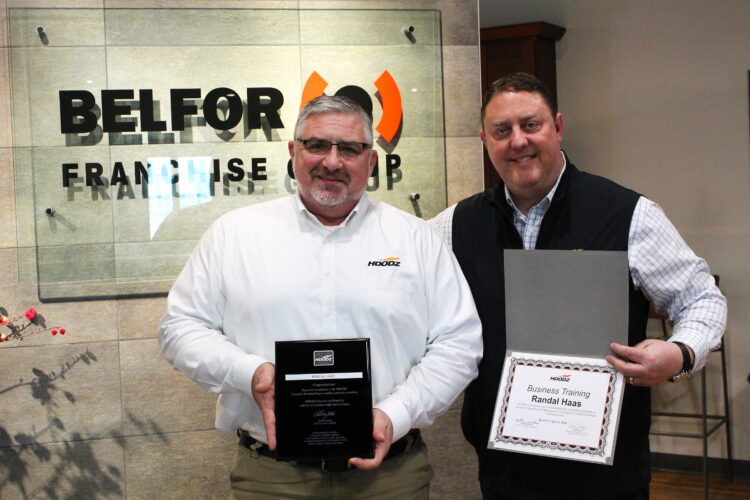
Please Welcome HOODZ of Evansville & Northwest Kentucky
HOODZ is excited to welcome one of our newest franchise owner, Randal Haas, to the HOODZ network! Kelly recently opened…
Read More -
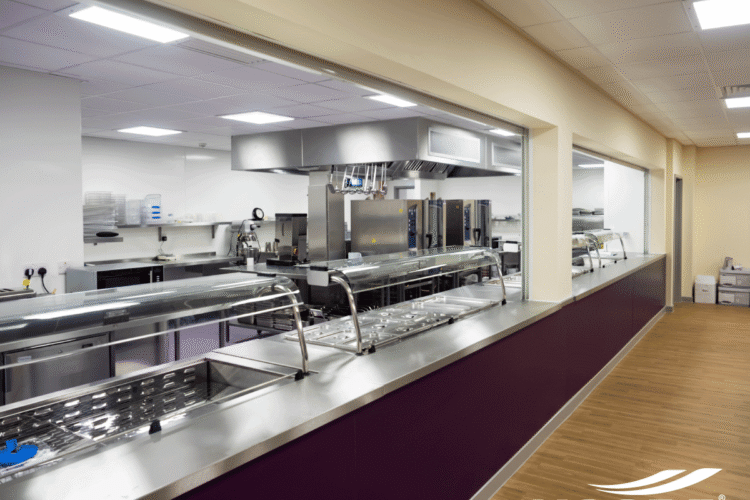
Why Summer is the Best Time to Schedule School Kitchen Hood Cleaning Services
Summer is a great time for school kitchen hood cleaning. Learn more from the pros at HOODZ!
Read More -
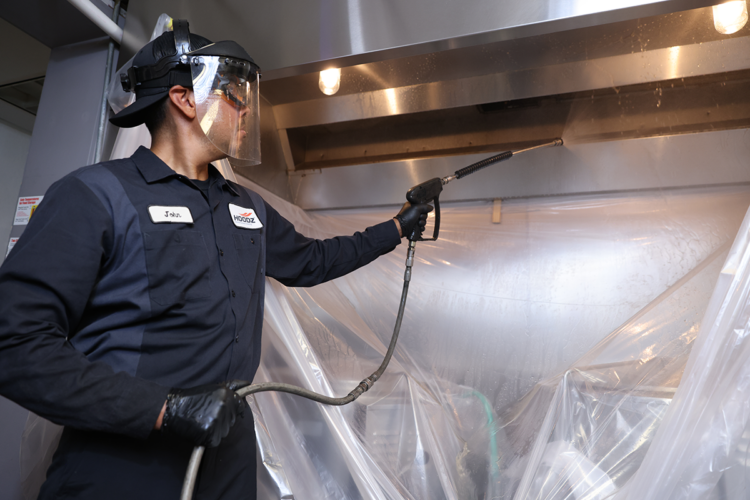
Keep Your Kitchen’s Exhaust System Clean and Up to Code with Our Commercial Kitchen Hood Cleaning Services
Commercial Kitchen Hood Cleaning Services: Why Maintenance and Keeping Up To Code Matters!
Read More