Generation of Grease
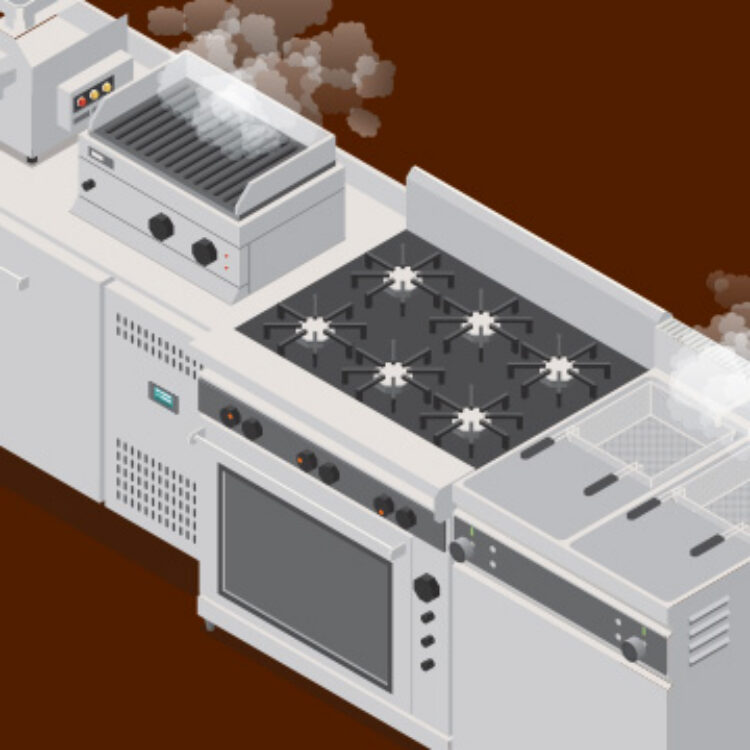
During cooking processes such as frying, grilling, and sautéing, grease (also known as effluent) is generated in the form of grease-laden vapors, aerosols, and small particles. These grease-laden vapors are released into the air above cooking surfaces such as stoves, fryers, grills, and griddles.

Captured by Hood
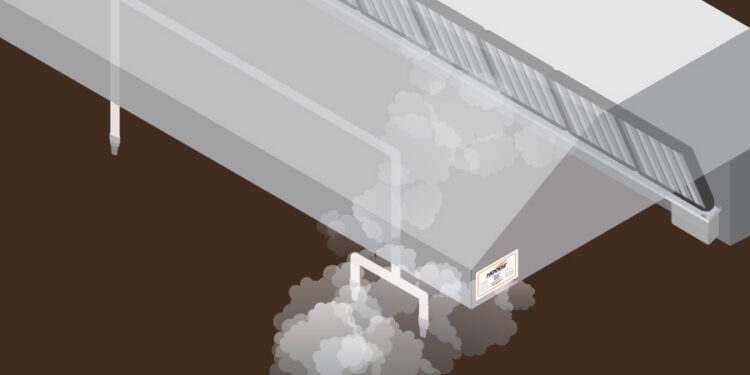
The hood captures the rising grease-laden vapors. There are different styles of hoods, including canopy hoods, proximity hoods, pass-over hoods, and eyebrow hoods, but they all serve the same basic function: to contain and direct the contaminated air into the exhaust system.

Grease Filters
Inside the hood, grease filters (also known as baffle filters) are the first line of defense. These filters have a series of baffles that force the air to change direction multiple times, causing grease droplets to collide with the metal surfaces and condense. These condensed particles are then trapped and collected into the grease cup, preventing them from traveling further through the system.


Exhaust Ductwork
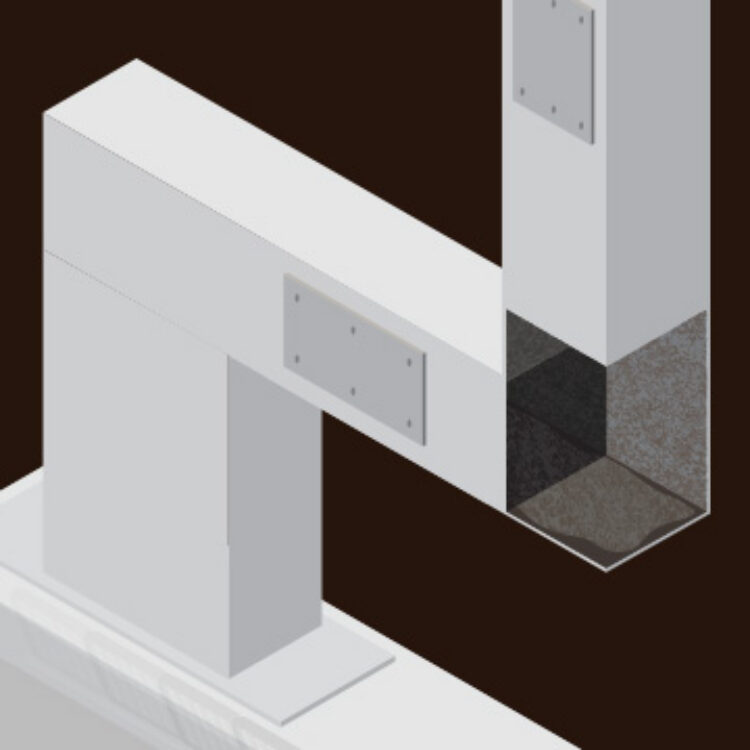
After passing through the filters, the remaining air, which still contains smaller grease particles, enters the exhaust ductwork. If the ductwork is horizontal, access panels are required to allow access to the duct for service. Access panels are also required on some vertical ductwork depending on length and placement of the ductwork.

Exhaust Fan
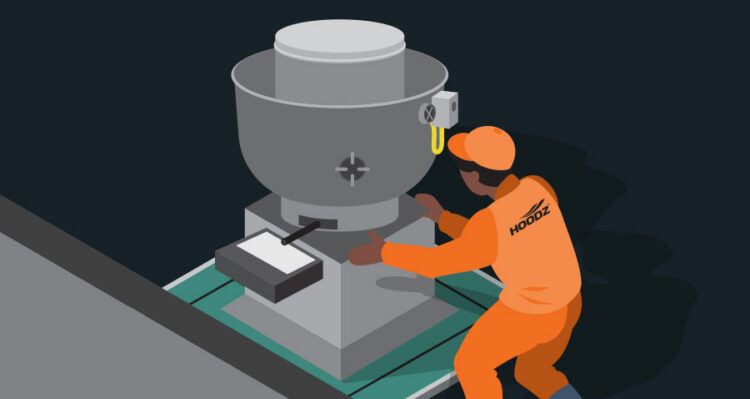
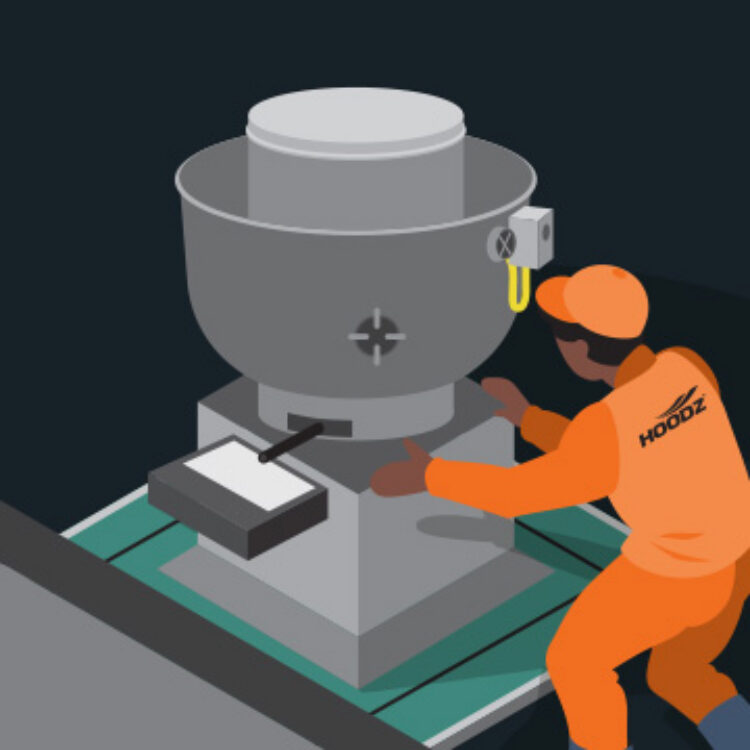
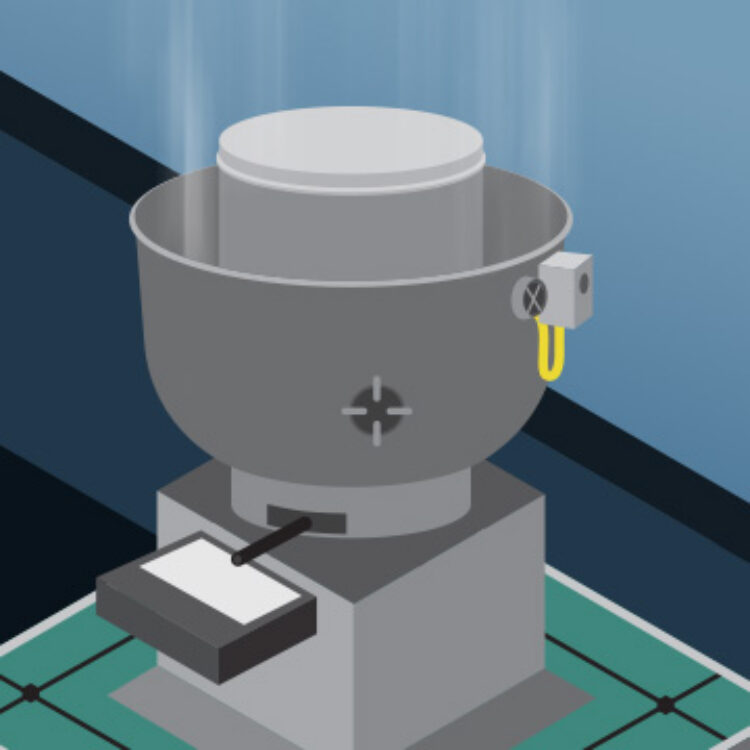
The exhaust fan, usually located at the end of the ductwork (often on the roof), is responsible for expelling the filtered air out of the building. When the grease reaches the fan, it can stick to the fan blades and the exhaust portion of the fan, reducing efficiency and creating a fire hazard. Like the ductwork, an access panel or port is required to access the fan for service. The remaining grease is directed to the grease containment system and collects there until it is serviced by a professional.
Discharge to the Outside
Finally, the air is discharged outside. The point of discharge must be situated in a way that it does not allow grease to settle on the building’s exterior or create an environmental nuisance. The exhaust fan should be equipped with a grease containment system to capture and manage grease accumulation at and around the fan assembly.

The Importance of Regular Grease Duct Cleanings
Regular inspections, cleaning, and maintenance of the exhaust system’s ductwork are essential. Despite the filters, some grease will inevitably make its way into the ducts. Over time, this can accumulate and pose a fire hazard. Scheduled service is necessary to remove grease buildup and ensure the system operates efficiently.